




 FAST DELIVERY - FREE SHIPPING FOR ORDERS OVER €79


How to Polish Car and Motorcycle Plastics: Complete Guide

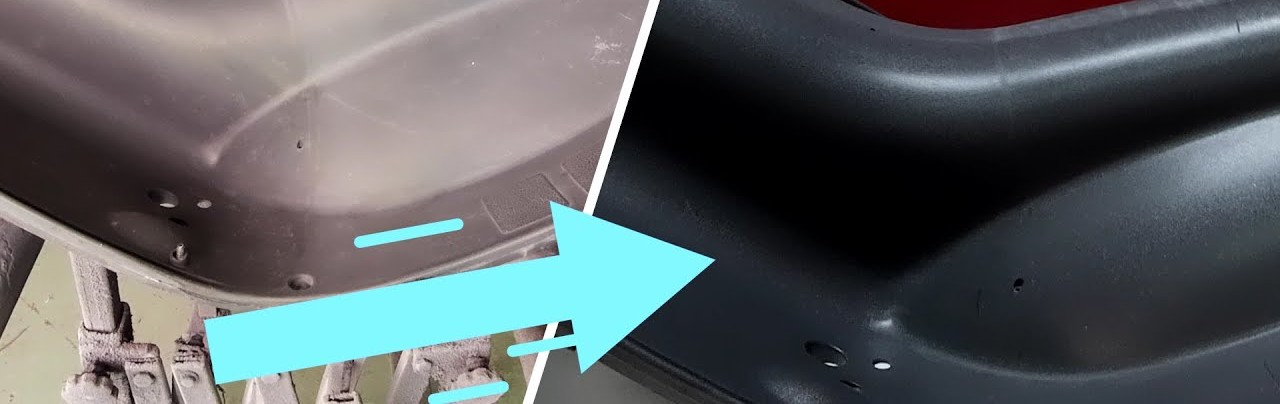
Complete Guide: How to Polish Plastic Parts on Cars and Motorbikes with Lux Metal
Plastic components on cars and motorbikes – such as headlights, fairings, windshields, dashboards and screens – often lose their shine and transparency over time due to sunlight, rain and minor scratches.
With Lux Metal polishing pastes and the correct use of cotton buffing wheels mounted on a drill or grinder, you can restore the original clarity and brilliance of plastic surfaces quickly and professionally.
Why Polish Plastic Car and Motorcycle Parts
Regular polishing of plastic parts is not only about aesthetics – it also improves safety and extends the lifespan of your vehicle’s surfaces.
-
Enhanced appearance: a clear, glossy surface gives your car or bike a well-maintained, professional look.
-
Improved safety: clean, transparent headlights provide better night visibility.
-
Long-term protection: polishing creates a protective layer against UV rays and weather exposure, preventing dullness and yellowing.
Recommended Lux Metal Products
Lux Metal offers a complete range of professional products designed for polishing all types of plastic materials:
-
Lux Metal – PL1 Liquid Plastic Polishing Paste: perfect for plexiglass, polycarbonate and both transparent and opaque plastics.
-
Lux Metal – Solid Polishing Pastes for Plastics: designed for use with cotton buffing wheels.
-
PL Polishing Kit for Plastics 3×150g: a complete set covering all polishing stages – cutting, polishing and finishing.
-
PL1 Fine Plastic Polishing Paste 150g: ideal for final finishing and maximum gloss.
All Lux Metal products are Made in Italy and guarantee professional results for both automotive and motorcycle applications.
What You’ll Need
To achieve the best polishing results, prepare the following:
-
The appropriate Lux Metal polishing paste for your surface;
-
Cotton buffing wheels, mounted on a drill or grinder;
-
A secure clamp or vice to hold parts in place;
-
Microfibre cloths for the final cleaning and inspection.
How to Polish Plastic Parts on Cars and Motorbikes
1. Clean the Surface Thoroughly
Before polishing, make sure the surface is completely clean:
-
Wash with water and a mild detergent.
-
Remove any dirt, grease or dust.
-
Dry thoroughly with a soft cloth.
A clean surface prevents new scratches during the polishing process.
2. Apply the Polishing Paste with a Cotton Wheel
Using the right technique ensures professional results:
-
Mount the cotton buffing wheel on your drill or grinder.
-
Apply a small amount of Lux Metal paste (PL1 or another from the kit) directly to the wheel.
-
Run the tool at moderate speed and gently bring the wheel into contact with the plastic surface.
-
Polish using smooth, consistent movements, avoiding excessive pressure or heat build-up.
-
Reapply paste to the wheel when needed to maintain even performance.
Tip: Start with a coarser paste to remove scratches, then finish with a fine paste like PL1 for perfect gloss and transparency.
3. Clean and Inspect
After polishing:
-
Wipe off residue with a clean microfibre cloth.
-
Check the surface under light to ensure an even finish.
-
If dull spots or fine scratches remain, repeat the finishing stage.
4. Protect and Maintain
To preserve your results for longer:
-
Apply a UV-protective plastic coating after polishing.
-
Clean regularly using mild, non-abrasive products.
-
Avoid alcohol-based or harsh cleaners that could damage the surface.
Advantages of Lux Metal Products
Choosing Lux Metal means relying on high-quality, professional-grade polishing solutions:
-
Removes scratches and oxidation effectively without damaging the surface.
-
Restores gloss and clarity even on aged or yellowed plastics.
-
Professional-grade performance when used with cotton buffing wheels.
-
Italian-made quality, trusted by detailing experts and enthusiasts alike.
Discover the full range of Lux Metal products at
? www.lux-metal.com
Conclusion
Polishing the plastic parts of your car or motorbike is a simple yet essential step to maintain a clean, professional look and ensure better safety on the road.
With Lux Metal polishing pastes and cotton buffing wheels on a drill or grinder, you can remove scratches, oxidation and dullness, achieving a perfect finish in minutes.
Comments : 0